Aeration & Overseeding
Plug aeration and fresh seed for thin, compacted North Shore lawns — timed for late August through September, when cool-season grass actually takes. Owner on every job, from Deerfield to Evanston.
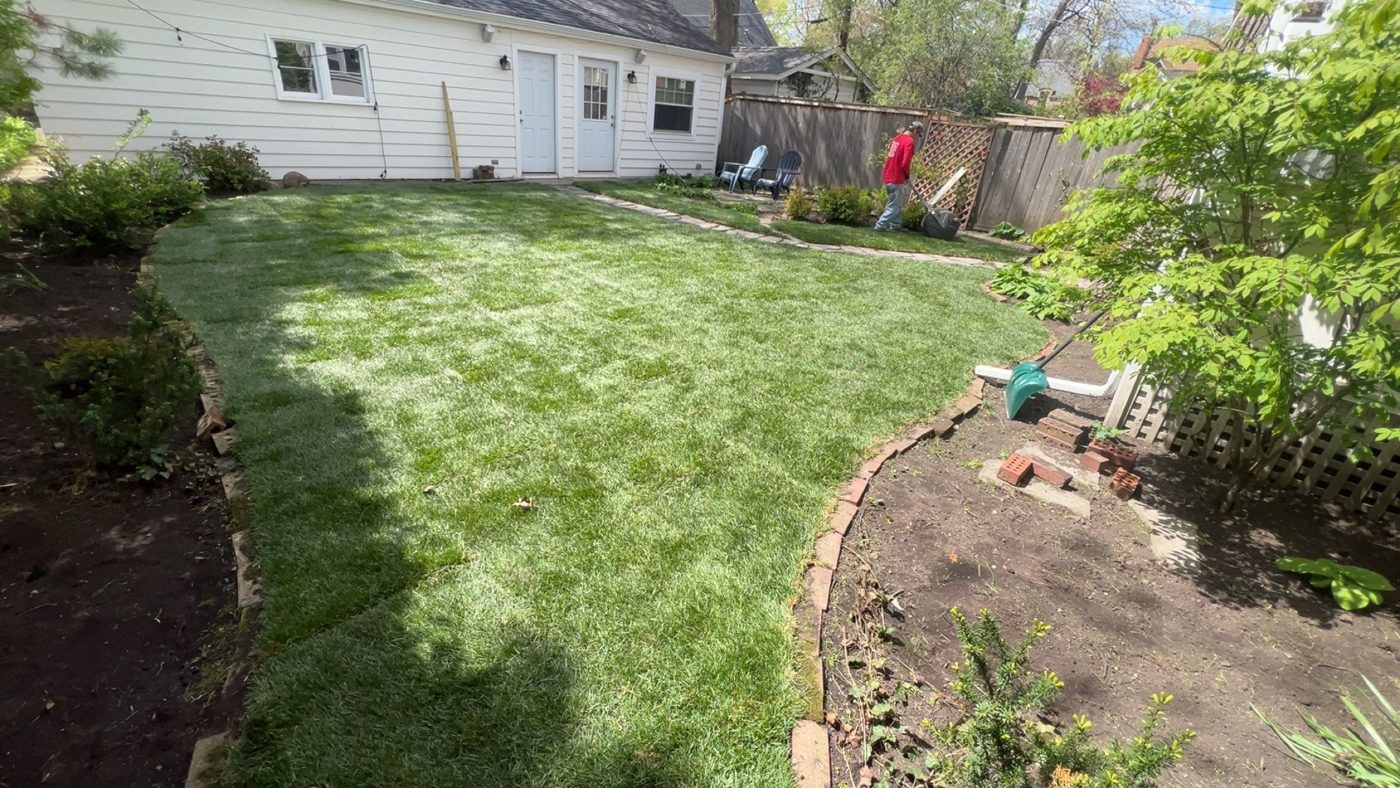
Overview
Most lawns up here sit on heavy clay. Add a few years of mowers, kids, dogs, and rain, and the soil packs down so tight that roots stay shallow, water runs off instead of soaking in, and the grass thins out no matter how much you feed it.
Core aeration pulls thousands of small plugs out of the lawn so air, water, and roots can get back down into the soil. Overseeding right behind it drops fresh seed into those holes — the best seed-to-soil contact you can get without tearing the lawn up. Done together in early fall, it's the single most effective thing you can do for a tired lawn.
MarioScape does it the way university turf research says to: core (plug) aeration, never spikes, two passes on compacted lawns, seed blends matched to your sun and shade, and a starter feed to get it going. I'll also tell you honestly when it's too late in the season to bother — and book you for next year instead.
What's included
Plain English, no padding. Each section starts with a direct answer.
A plug aerator pulls pencil-sized cores out of the lawn every few inches — that's what relieves compaction. Spike tools just poke holes and press the clay tighter.
I run the aerator when the soil is slightly damp (a day or two after rain, or after a good watering), because a core aerator can't cut hard, dry clay. Compacted or high-traffic lawns get two passes, the second at a right angle to the first — that's how you reach the 15 to 20 holes per square foot turf researchers recommend. The plugs stay on the lawn and break down in a couple of weeks. Don't rake them.
Fresh seed goes down right after coring so it lands in the holes and gets real soil contact.
Rates are matched to how thin the lawn is — a light rate to thicken decent turf, a heavier new-lawn rate on bare patches, which also get a topsoil-and-compost mix worked in first. Blends are chosen for your yard, not pulled off a shelf: Kentucky bluegrass with perennial rye for sunny lawns, more fine fescue where trees shade the yard. Perennial rye shows in under a week; bluegrass takes up to four.
Late August through mid-to-late September is the window for northern Illinois — and earlier beats later. Every week you wait can add weeks to how long the new grass takes to fill in.
Fall works because the soil is warm, the nights are cooling, weeds have stopped germinating, and there's still time for roots to set before the ground freezes (first frost near the lake is typically mid-October). Spring seeding fights crabgrass and summer heat, and you can't put crabgrass preventer over new seed without killing it — fall sidesteps that whole problem. If you call in October I'll be straight with you: some years it still works, some years you're better off waiting.
A starter fertilizer goes down with the seed, and you get a simple watering and mowing plan for the first three weeks.
New seed needs the top inch of soil kept moist — a light watering once or twice a day for about two weeks, longer for bluegrass — then deeper, less frequent watering once it's up. Mow as soon as the first seedlings are tall enough to cut (around an inch and a half), not weeks later. Mowing early and often is what the turf programs recommend, and it's the opposite of what most people do. Raise the height over the next few mowings.
Before I aerate, I check thatch depth and how compacted the soil is, so you know whether this is a yearly job or a one-time fix.
Up to about half an inch of thatch is normal and healthy. More than that, or a clay lawn that gets a lot of foot traffic, benefits from coring every fall. A lawn that drains fine and isn't compacted doesn't need it every year — and I'll tell you so rather than sell you a visit you don't need.
Common Questions
The sweet spot is late August through mid-to-late September. Into early October it can still work in a mild year, but the new grass may not mature before winter. I'd rather tell you to wait — spring aeration without seed, or next fall — than take a job the seed won't survive.
Aerate first. Seed thrown on top of compacted clay mostly dries out or washes away. The cores open up thousands of spots where seed touches loose soil and stays moist — that's why the two are done together.
Yes. They look messy for a week or two, then break down with rain and mowing and put organic matter back into the soil. Raking them up throws away part of the benefit.
As soon as the first seedlings are tall enough to cut — usually within a couple of weeks for rye. Mow early and often at a lower height at first, never taking off more than a third of the blade, then raise it back to two-and-a-half to three-and-a-half inches. Waiting a month, which is the usual advice, actually sets the new grass back.
Keep the top inch of soil moist for about two weeks — a light watering once or twice a day, more in a warm dry spell. Bluegrass-heavy blends need it a bit longer. After that, water deeper and less often. Skipping the watering is the number one reason overseeding fails.
Not the regular kind — most pre-emergents stop your new grass seed from germinating too. That's a big reason I push fall: crabgrass isn't germinating then, so there's nothing to block. If you need a barrier in spring there are seeding-safe products, but it's simpler to seed in fall and treat for crabgrass in April.
Lawn size, how compacted the soil is (one pass or two), slope and tight spots that need hand work, how much seed and which blend, and whether bare areas need topsoil and compost. Send me your address and a rough lawn size and I'll send a written quote.
Service Area
Slots go by the calendar — the seeding window closes in late September. Book early.
Send me your address and a rough lawn size. I'll confirm whether we're still inside the seeding window and send a written quote.
