Weed Control
Targeted broadleaf spraying in the lawn, plus hand-pulling and mulch in the beds — across Deerfield, Northbrook, Wilmette, Winnetka, and the rest of the North Shore. Illinois Commercial Applicator for turf treatments. Owner on every job.
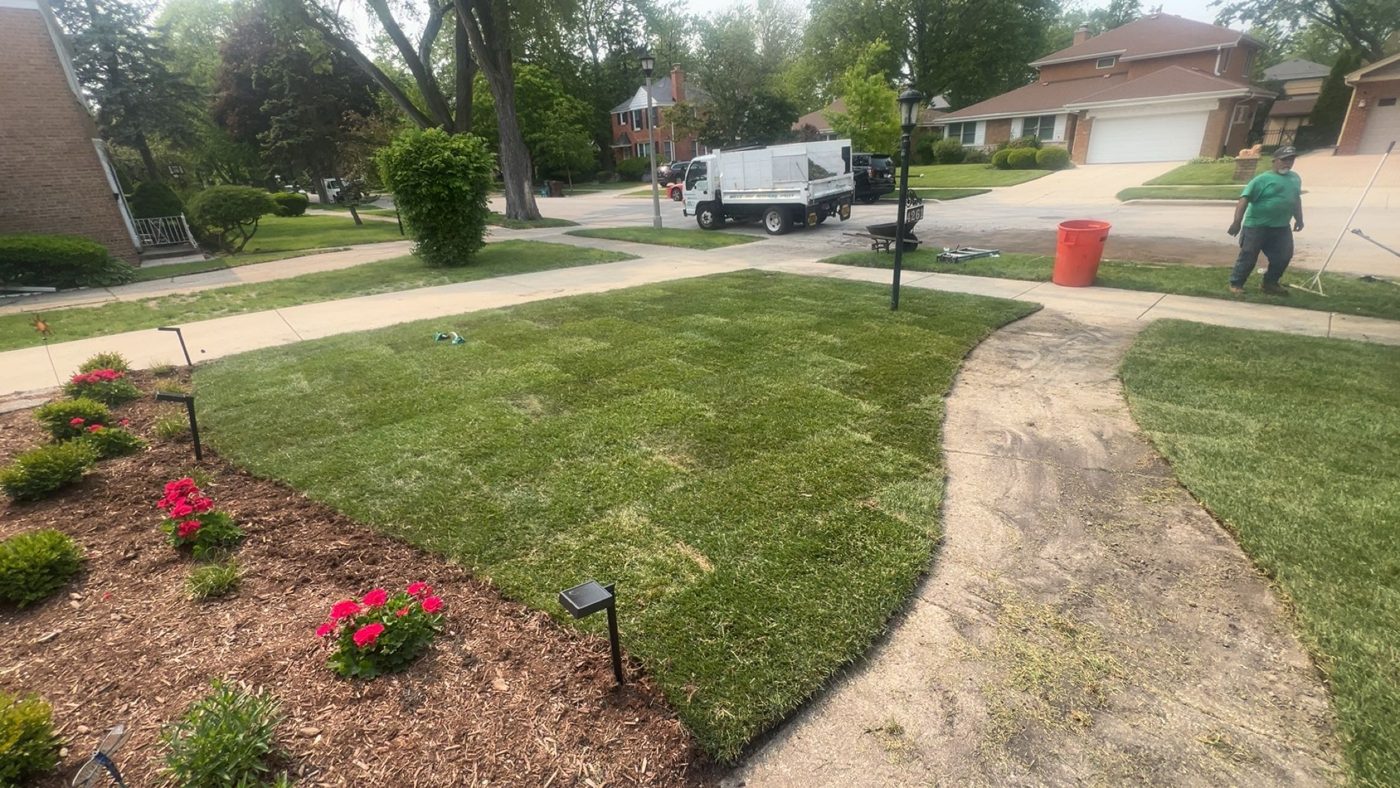
Overview
Dandelions, clover, creeping charlie, plantain, wild violets — the perennial weeds that take over North Shore lawns all do the same thing in fall: they pull energy down into their roots for winter. Spray then, and a systemic herbicide rides down with it and kills the whole plant. Spray in May, and you mostly burn the top off. It comes back.
That's why turf research calls early-to-mid fall the best window for broadleaf control, and why creeping charlie and violets usually take one or two fall applications — sometimes over two seasons. Crabgrass is the opposite problem: it's an annual that has to be stopped before it sprouts, which in northern Illinois means a pre-emergent around mid-April, once soil temperatures hold in the mid-50s.
MarioScape keeps it simple and honest: targeted broadleaf spraying in the turf, spring crabgrass pre-emergent for turf, hand-pulling with the roots in beds, mulch to help keep beds clean, and the sign and product sheet Illinois law requires on every pesticide visit. No insect or grub work, no bundled pest program — just weeds.
What's included
Plain English, no padding. Each section starts with a direct answer.
A targeted, selective spray on the lawn that kills dandelions, clover, plantain, creeping charlie, and violets without hurting the grass.
Applied on a sunny day above 55°F, usually in early-to-mid fall for the best kill, with a spring application if the lawn is badly infested. Creeping charlie and violets are the stubborn ones — they get a follow-up three to four weeks later, and heavy patches can take a second season. Spot-treated, not blanket-sprayed, when that's all the lawn needs.
A barrier laid down in spring, before crabgrass seed germinates, so it never gets a start.
Timing is by soil temperature, not the calendar — around mid-April on the North Shore, a week or two after the forsythia bloom. Too early and it wears off before the summer flush; too late and the seed's already up. If you're overseeding, the pre-emergent has to wait — it blocks grass seed too — which is why I usually pair fall seeding with spring pre-emergent.
Beds get weeded by hand, roots and all, so the plant doesn't grow back from what's left in the ground.
Beds are pulled and cleaned, edges re-cut, and the bed left sharp. A two-to-three-inch mulch layer blocks the light that annual weed seed needs to sprout. This is hand labor, priced by how much bed you have and how far gone it is.
A lawn mowed at three to four inches shades the soil and crowds out crabgrass and most weeds on its own.
Spraying fixes this year's weeds; thick turf prevents next year's. If you're on my weekly route, the mowing height is already set for it. If the lawn is thin, the real fix is fall aeration and overseeding — I'll tell you when that's a better spend than another spray.
Every application comes with the white lawn-marker sign at your entry points and a written sheet listing what was applied, why, and at what rate.
Illinois law requires both from any applicator working for hire, and I do it every time. I'm an Illinois Commercial Applicator licensed in General Standards and Turf. The sign says to stay off the grass until it's dry — that's the label rule for kids and pets. Neighbors who've registered for notice get a heads-up the day before. Ask and you'll get the product label or safety sheet.
Common Questions
Fall, for perennial broadleaf weeds. In September and October they're pulling energy into their roots, so the herbicide goes down with it and kills the whole plant. Spring spraying mostly burns the top off. Crabgrass is different — that's a spring pre-emergent job, around mid-April.
A selective broadleaf product with the right active ingredient — the basic hardware-store dandelion killers barely touch it — applied in mid-to-late fall or late spring, with a second application three to four weeks later. Heavy infestations usually need two seasons. Anyone promising one-and-done on creeping charlie is guessing.
Wild violets have fleshy roots and a waxy leaf that sheds most sprays, so they're the toughest common lawn weed here. They respond to the same fall program as creeping charlie — usually two applications, often a second year. Thickening the turf so they can't spread is half the battle.
Until it's dry — that's what the product label and the Illinois notice sign say. Usually a few hours on a sunny day. I'll tell you before I leave.
Because the two halves want different timing. Crabgrass preventer needs to go down in early spring; fertilizer does the most good in late summer and fall. Doing both at once means one of them is at the wrong time. Separate them and both work better.
Pull them — roots and all — then re-cut the edges and mulch. Beds get hand work, not herbicide application.
Some will — seed blows in from every yard on the block. Fall spraying plus a thick, high-mowed lawn keeps it to a few strays instead of a takeover. I won't promise a weed-free lawn; nobody honest will.
Lawn size, how bad the weed pressure is (a few dandelions vs. a creeping charlie carpet that needs two visits), how many applications across the year, and how much bed area needs hand work. Send me the address and a photo of the worst spot and I'll send a written quote.
Service Area
Fall broadleaf slots run September through October. Spring pre-emergent books in March.
Text me a photo of the worst patch and your address. I'll tell you what it is, when to treat it, and send a written quote.
